Methodology
To understand the methodology, it’s important to define some terms and concepts related to bus stops.
What is a bus stop?
Bus stops are “NO STANDING” zones according to the DOT (It’s the red text beneath the bus symbol). This means you may not wait or stop at these locations, but you may stop “expeditiously” to drop off or pick up passengers. Here’s a screenshot from the DOT website:
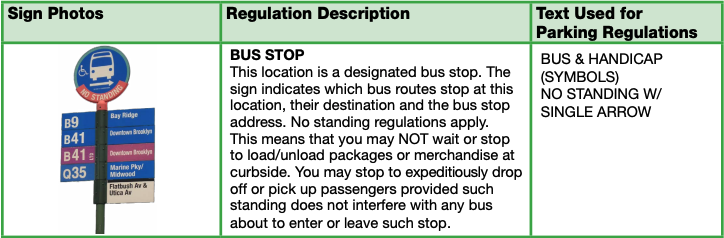
There is also an arrow pointing against the flow of traffic. That arrow signifies that the no standing zone extends from the location of the sign until the end of the curb or until a different parking regulation is enacted by a different sign.
Legally speaking, the MTA automated camera enforcement system (ACE)issues a ticket to a vehicle stopped in a bus stop only after 2.5 minutes and once it has been observed by two buses. The NYPD will also issue tickets for parking/standing in the bus stop with a less formal definition.
In-Lane vs Pull-Out
Another important distinction in the world of bus stops is “In-Lane” vs. “Pull-Out” bus stops
In-Lane
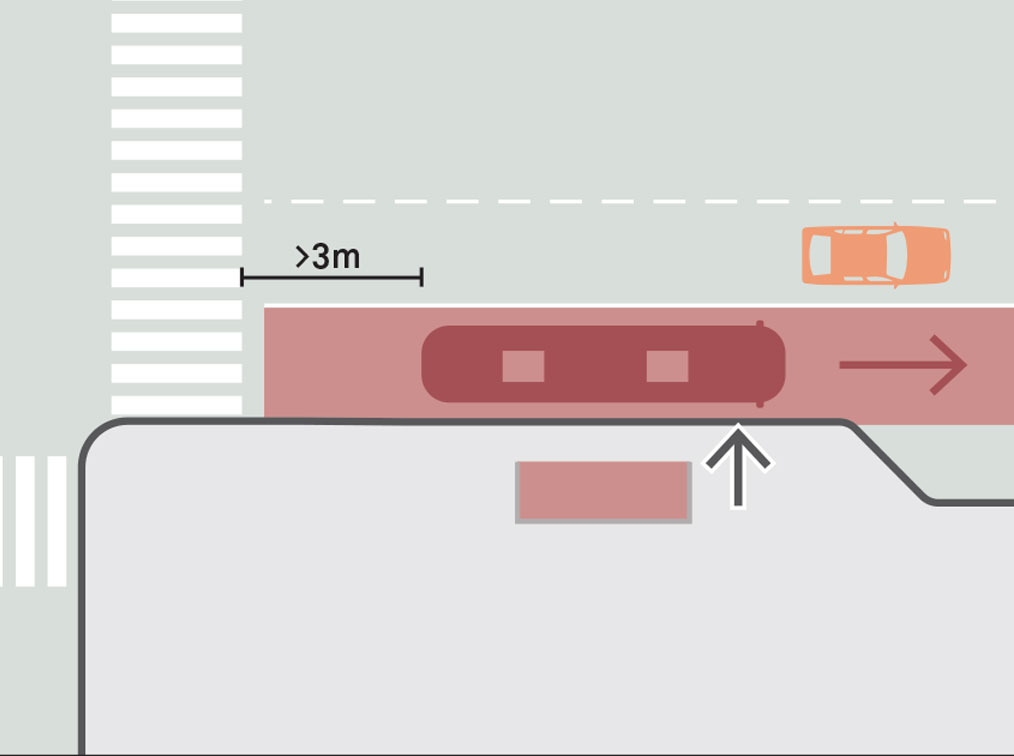
An in-lane stop is a stop that is in a travel lane. Other vehicles are permitted to pass through the stop as part of regular travel. Therefore, for the purpose of this study – a car that is in motion in the lane was not considered “blocking”. Only if it was clear a car was parked more permanently or a delivery was taking place. This variety of stop is also not very common in New York City.
Pull-Out
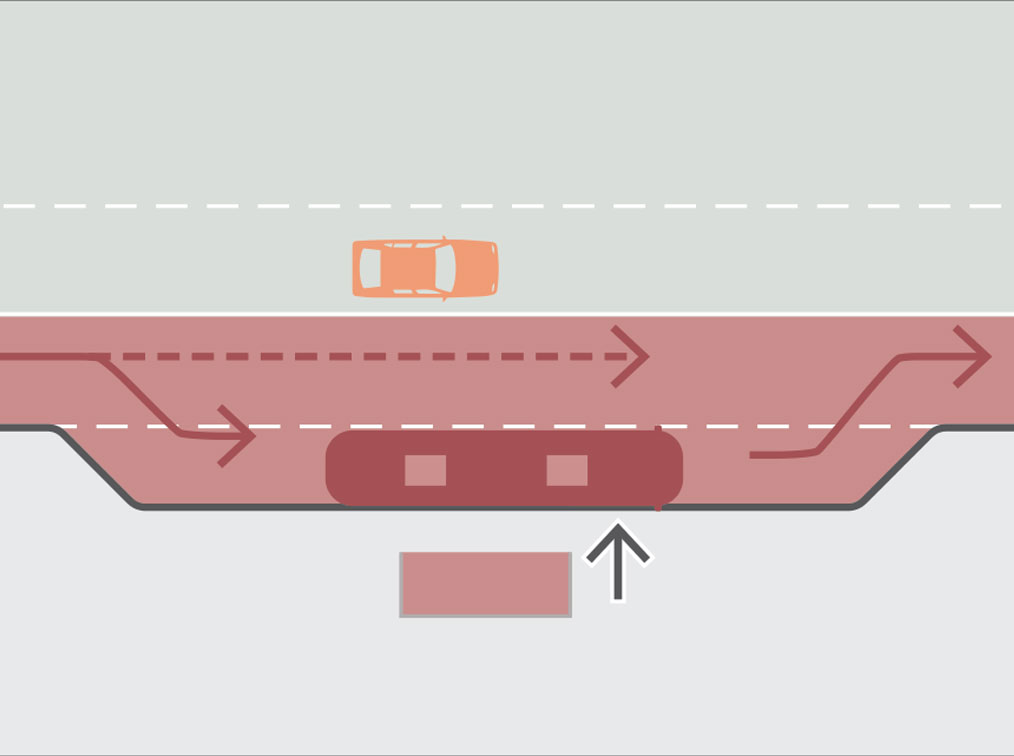
The pull-out stop allows the bus to veer out of a travel lane to the curb. This is most bus stops in New York. In this case, any vehicle stopped in the lane will be considered “blocking”.
Images courtesy of Global Designing Cities Initiative
Labelling
Now that we know what to look for – how do we find it?
I decided to use Google Maps. There are more than 16,000 bus stops in New York – so a comprehensive study of every stop would be prohibitively expensive. By using Google Maps we can get what is effectively a random sampling of the status of every bus stop in New York. With large enough numbers this becomes an accurate estimate of any given moment. I’ve started by looking at M buses since Manhattan likely has the most issues with blocking – which also means this review is not meant to be an approximation of the entire city, only the borough of Manhattan.
So that was the process – load each street view image, locate the bus stop, check for vehicles or /obstructions between the posted stop and the edge of the “no standing” zone. There are 1,828 stops on M bus routes, but I excluded a few stops along the M60 SBS which travels to LaGuardia airport. There were an additional 31 stops which were not labelled. These stops were either under construction at the time of the street view image, or had been moved, or I was otherwise unable to find an image.
Examples
Some blocking is very obvious. In this example a large truck is completely filling the bus stop.
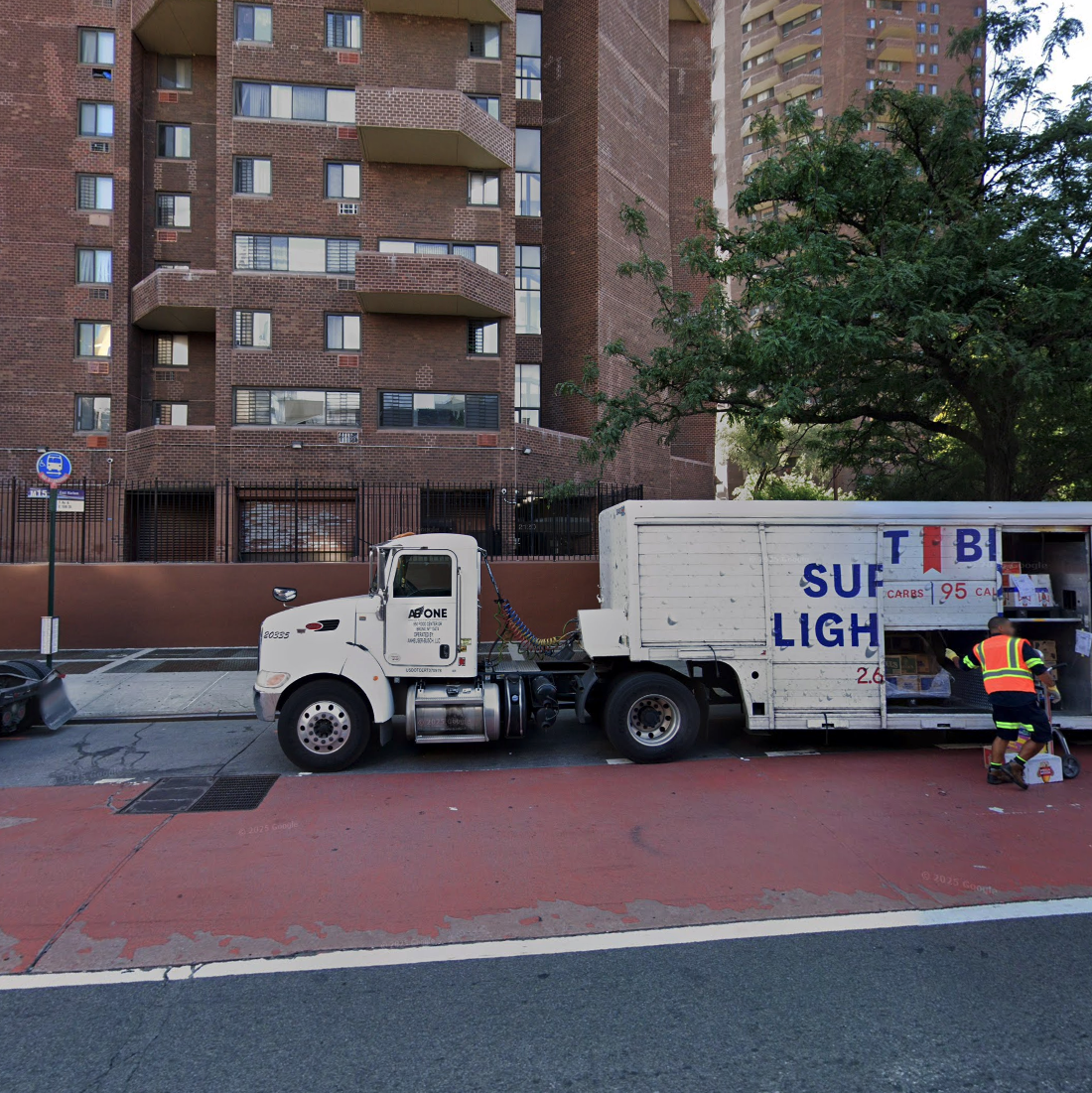
Here is an example of a vehicle parked at the back end of a pull-out bus stop. This prevents a bus from pulling directly into the stop after passing through the intersection
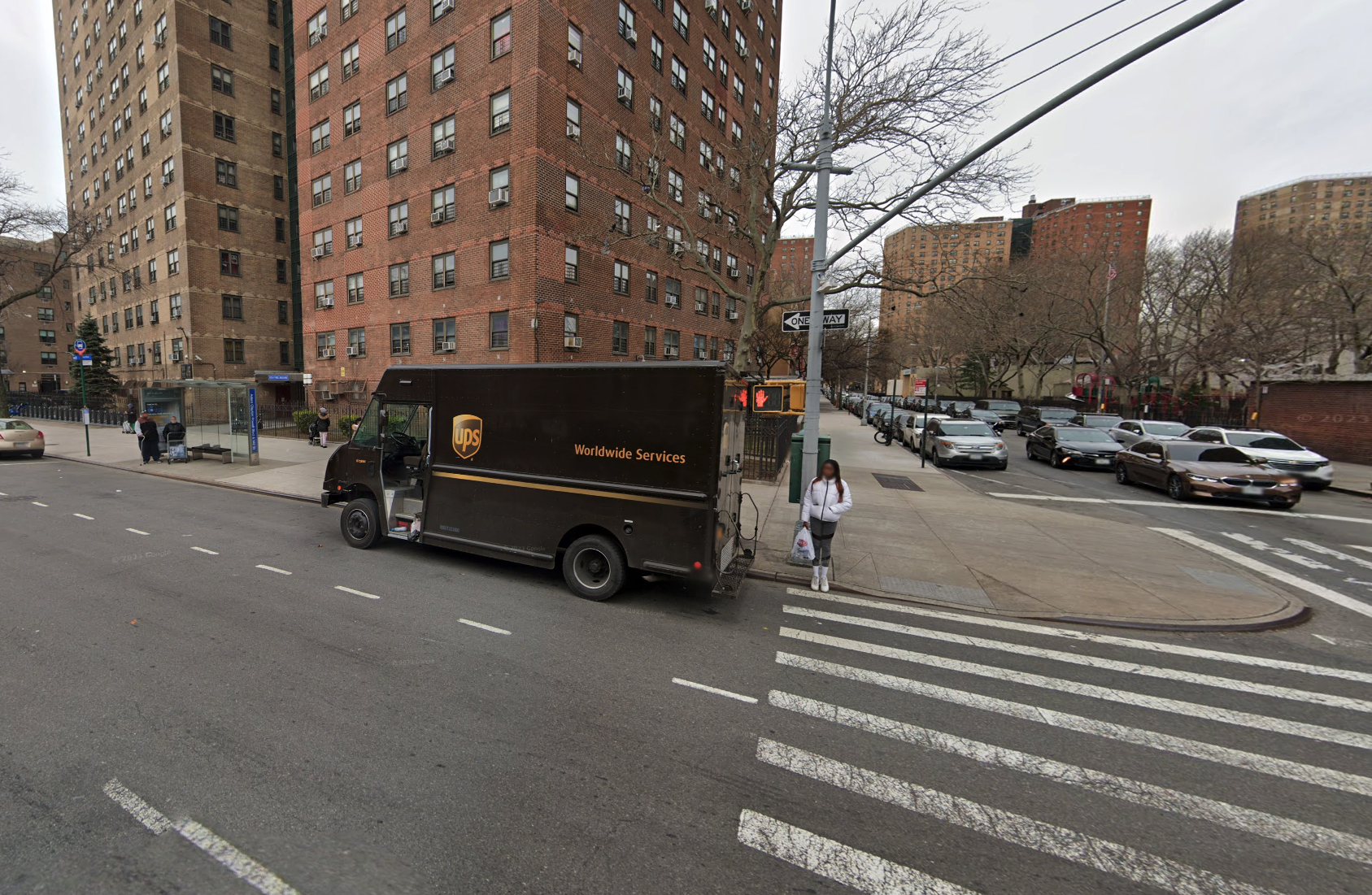
This is an example of a car that is in the bus stop, but because the stop is in-lane the vehicle is permitted to be here, and therefore this is considered not blocking. Not to say this isn’t slowing down buses! This car is stopped at a red light, and now the bus must wait for the lane to clear to load or unload passengers.
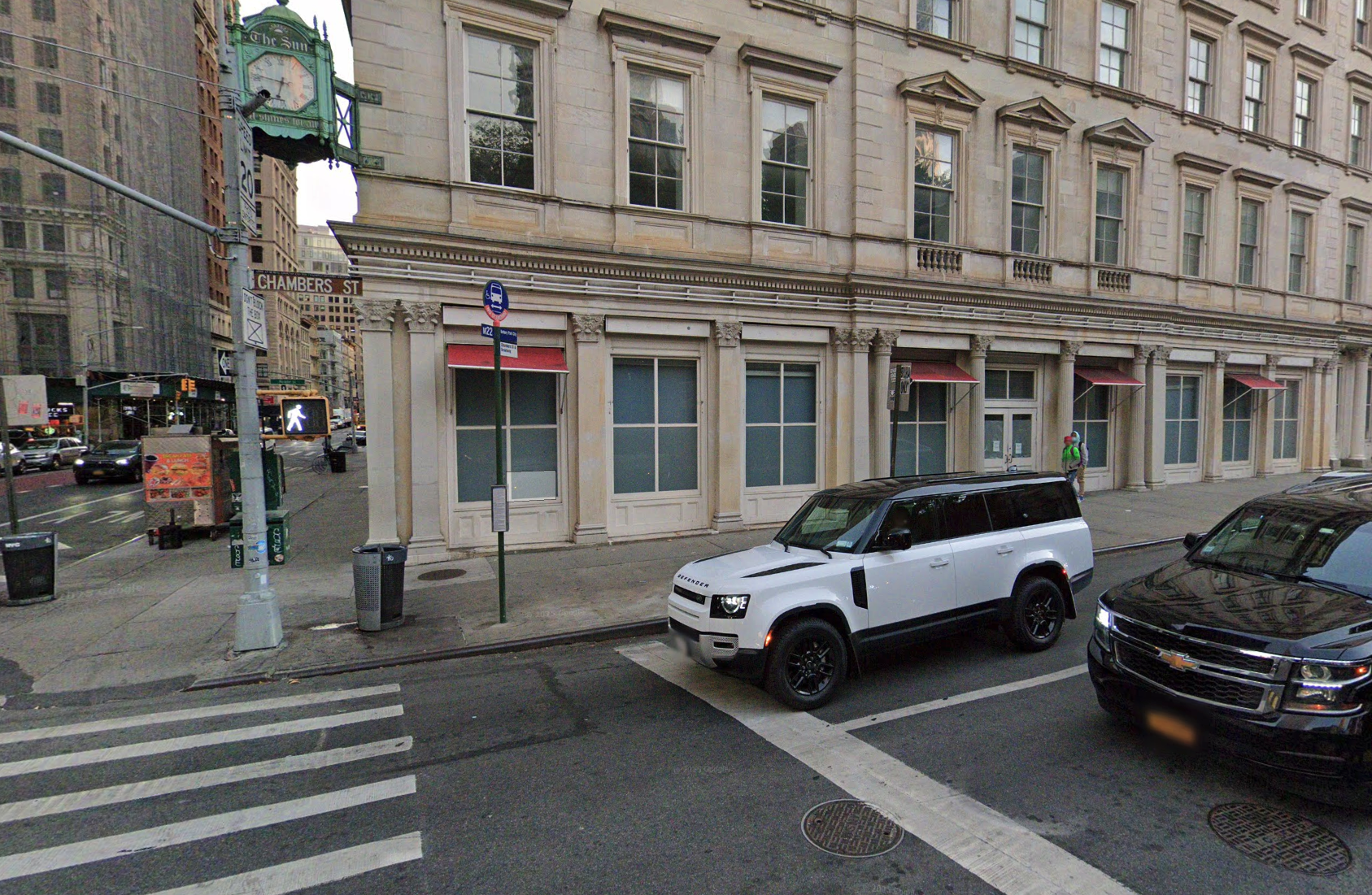
Overall, I was fairly lenient with deciding whether a stop was blocked. I feel confident that every blocked stop in the collection is causing a disruption to bus service.
Additional Notes on Process
- Most of the street view images are from 2024 or prior. This should not be interpreted as results of the MTA ACE program which began in August 2024.
- The focus of this research was strictly bus stops. Not bus lanes. So a clear bus stop in a bus lane which is blocked ahead would be considered clear. To see an image of every blocked stop, you can go to the gallery to see all of the blocked stops.
made by Patrick Cleary